
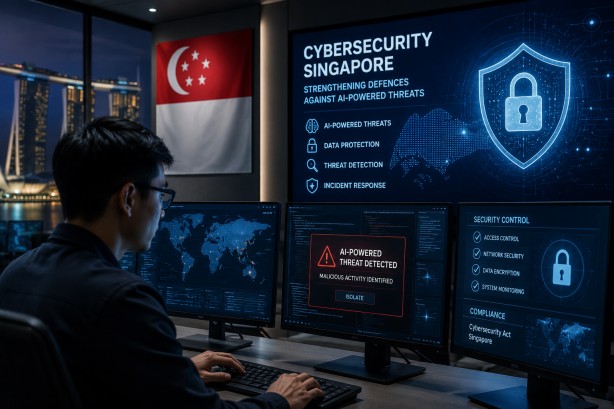
In an effort to bolster defenses against increasingly sophisticated cyber threats, Singapore has implemented more stringent cybersecurity requirements for operators of critical information infrastructure (CII). The updated Cybersecurity Code of Practice mandates the use of a locally developed intrusion detection tool and ensures comprehensive board-level oversight of cybersecurity measures.
This move affects 11 critical sectors, encompassing banking, energy, healthcare, telecommunications, transport, water, and government services, among others. The new regulations are a direct response to a series of recent cyberattacks on Singapore’s major telecommunications providers and rising concerns about the role of artificial intelligence in enabling more advanced cyber threats.
Authorities have emphasized the need for organizations to enhance governance, bolster cyber resilience, and regularly review their cybersecurity frameworks. These steps are seen as crucial to safeguarding the nation’s critical infrastructure from evolving cyber risks.
With AI increasingly being used by attackers to pinpoint vulnerabilities, Singapore’s tightened cybersecurity measures aim to mitigate the risk of such advanced attacks. The focus on local solutions and heightened oversight reflects a strategic approach to ensuring robust protection across key sectors.