
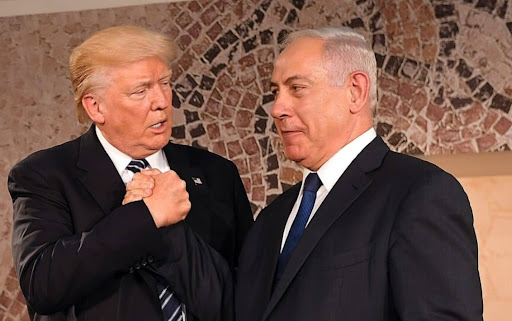
Benjamin Netanyahu’s invocation of four decades of warnings about Iran was politically effective in managing the South Pars fallout — but it was also, in an important sense, misleading. The historical frame resonates because it is true: Netanyahu has consistently warned about Iran, and Donald Trump has shared his concern. But shared history of threat identification does not translate into shared strategy for threat response, and the forty-year frame obscures the very real strategic divergence that the South Pars episode exposed.
The resonance is genuine. Netanyahu has been extraordinarily consistent in his assessment of Iran as a global danger, and his warnings have proved prophetic in many respects. Trump’s alignment with that assessment is also real — his Iran policy reflects a genuine conviction that the Islamic Republic poses a serious threat to regional and global security. The shared threat perception is the foundation of the alliance, and Netanyahu’s historical invocation of it was not cynical manipulation — it reflected real conviction.
Where the historical frame misleads is in implying that shared threat perception equals shared strategy. Two people can agree that a house fire is dangerous while disagreeing about whether to call the fire department, use a fire extinguisher, or demolish the house to prevent future fires. Trump and Netanyahu agree on the Iranian danger; they disagree on what stopping Iran requires.
Director of National Intelligence Gabbard confirmed the strategic divergence — not the threat assessment divergence. Both Trump and Netanyahu assess Iran as a threat; they differ on what that threat requires in terms of response, scope, and endpoint. Netanyahu’s forty-year frame addresses the assessment without touching the divergence. It was persuasive in the moment; it was not a solution.
The long shadow of four decades of warnings will continue to provide Netanyahu with rhetorical resources for managing disagreements with Trump. The shared threat assessment is real and creates genuine common ground. But it is not a substitute for the strategic alignment that the alliance currently lacks — and invoking history is not the same as achieving agreement on the future.