
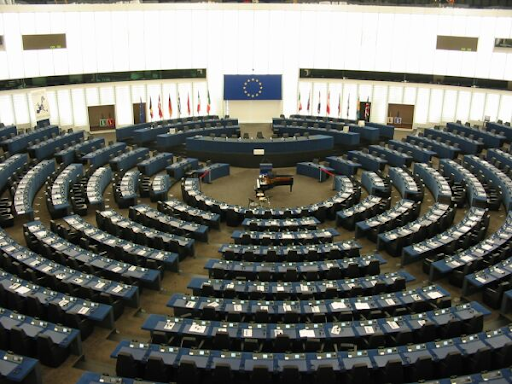
Brussels has formally suspended the ratification of its trade agreement with the United States following President Trump’s linkage of tariff threats with his Greenland ambitions. European lawmakers have described this approach as blackmail, prompting the parliament’s most significant material response to the crisis.
According to Bernd Lange, chairman of the European Parliament’s trade committee, the pathway to compromise remains blocked while Greenland-related threats continue. The frozen trade deal had been designed to grant American industrial exporters zero-tariff access to European markets across multiple sectors.
The European Union has maintained its $750 billion energy purchase commitment, which officials confirm operates separately from the suspended trade agreement. This strategic distinction allows Brussels to preserve essential energy cooperation while defending political autonomy.
Diplomatic tensions manifested when European Commission President Ursula von der Leyen altered her schedule after addressing parliament. She bypassed a planned Davos visit where Trump was attending, returning instead directly to Brussels to orchestrate emergency summit preparations.
In a parallel development complicating Europe’s trade diversification strategy, parliament narrowly voted to refer the Mercosur trade deal with Latin American countries to the European Court of Justice. The decision, passing by just 10 votes, was condemned by Lange, the European Commission, and German Chancellor Friedrich Merz. German automakers similarly denounced the referral, concerned about market access. Though the Commission could provisionally implement the agreement as with Brexit, Lange warned this would create “huge institutional conflict.” The Thursday emergency summit will primarily address US relations, including €93 billion in counter-tariffs and anti-coercion mechanisms.