
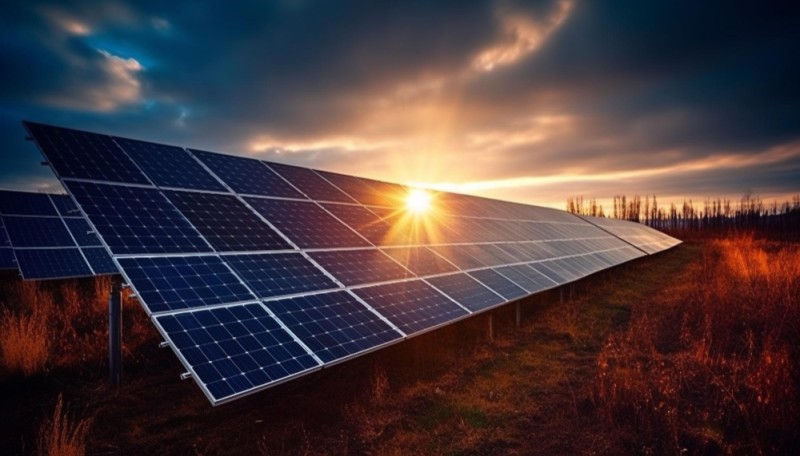
Amid soaring electricity prices, the Philippines is witnessing a notable surge in rooftop solar energy adoption, as both households and businesses seek to mitigate the impact of rising energy costs. The nation has emerged as one of the fastest-expanding solar markets, driven by a pressing need to manage the escalating expenses associated with power consumption.
In recent months, electricity rates have seen significant hikes, burdening Filipino households that already contend with some of the highest power costs in Southeast Asia. With government subsidies proving limited, many consumers are opting for solar panels as a viable long-term strategy to reduce their monthly expenses. This growing demand has resulted in a marked increase in solar equipment imports, as more individuals invest in rooftop solar systems to escape the high costs of grid electricity.
The decreasing cost of solar technology has made the transition more appealing for many users. Families and businesses are increasingly inquiring about solar installations, and those who have made the switch often report substantial reductions in their electricity bills, especially when using solar panels paired with battery storage systems.
Analysts predict a rapid expansion of distributed solar capacity in the Philippines over the coming years, with shorter payback periods enhancing its attractiveness. Nevertheless, challenges such as high initial costs, supply chain issues, fluctuating equipment prices, and restricted access to financing for some households continue to pose hurdles.
Despite these challenges, experts believe that the upward trajectory of energy prices will persist in fueling the growth of solar adoption. As more Filipinos look to gain greater control over their electricity expenses, the pursuit of solar solutions is expected to continue its upward momentum.