
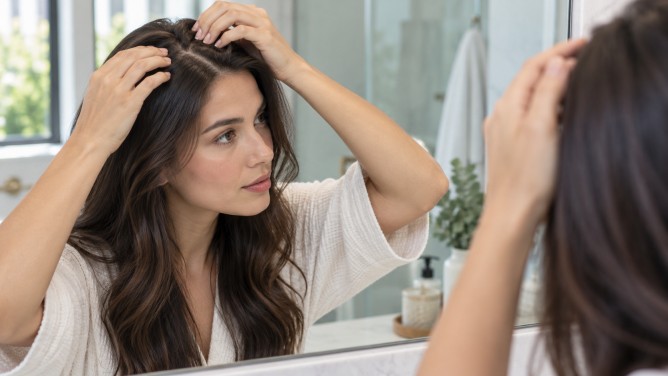
A healthy scalp is crucial for maintaining vibrant hair, yet it often receives less attention than the hair itself. While clean-looking hair might suggest good scalp health, several signs can indicate that your scalp needs more care, regardless of the appearance of your hair.
The scalp naturally produces oil and sheds dead skin cells, processes that can become unbalanced and lead to discomfort or changes in hair shedding. Recognizing these changes early can prompt adjustments in haircare routines and professional advice if necessary.
One warning sign is the sensation of tightness or stinging after washing. If these feelings are consistent, it could indicate irritation or disruption of the scalp’s skin barrier, potentially caused by harsh cleansing products or fragranced ingredients. Switching to a gentle shampoo and avoiding irritating products might help, but persistent symptoms warrant a dermatologist’s opinion.
Another sign is recurring flakes, which might result from seborrhoeic dermatitis rather than infrequent washing or dirtiness. Accompanying symptoms such as redness or itching could require an anti-dandruff shampoo or medical assessment for persistent or severe cases.
An oily scalp is not inherently unhealthy, as sebum protects the scalp and hair. However, if roots become greasy soon after washing, it might be time to review your cleansing routine and select appropriate products for your scalp type. Over-washing or using harsh products to remove oil can exacerbate the problem.
Hair that feels coated or heavy after washing might be due to leftover styling products, excess sebum, or incomplete rinsing. Moderating product use and ensuring thorough rinsing might alleviate this issue, but persistent residue-like sensations could require further evaluation.
Noticeable changes in hair shedding, such as increased shedding, a widening hair part, or visible thinning, should not be disregarded. Various factors, including stress, hormonal changes, and medical conditions, can contribute to hair loss. Scalp inflammation also plays a role in some cases, and a dermatologist can help determine the cause and recommend treatment.
Maintaining a healthy scalp involves washing hair according to your scalp’s needs, using gentle products, avoiding excessive scratching, and seeking professional advice for persistent issues. Attention to recurring discomfort, flakes, oiliness, and changes in hair shedding can ensure the scalp receives the care it requires.