
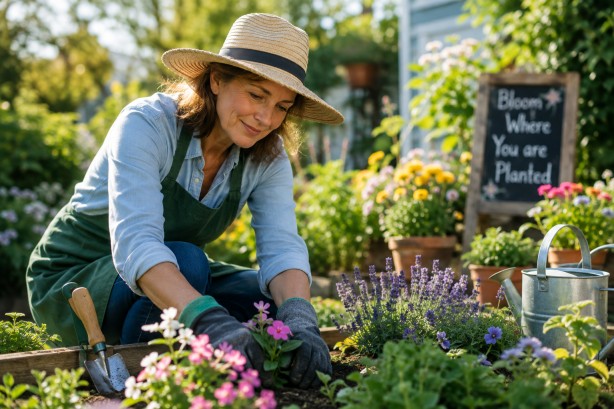
Gardening, often perceived as a serene pastime, offers a range of benefits that extend beyond the aesthetics of a lush garden. This activity blends physical exercise, outdoor exposure, sensory engagement, and a bond with nature, all contributing positively to one’s overall health. Numerous studies have highlighted the physical and mental health advantages associated with regular gardening, providing compelling reasons to embrace this green-thumbed pursuit.
Engaging in gardening can enhance cognitive health by involving movement, strategic planning, and the use of various senses. The process of selecting plants, adhering to care schedules, and handling soil provides continuous mental stimulation. Research suggests that gardening supports cognitive functions by combining physical activity with mental engagement and mood enhancement.
The calming effects of greenery can help mitigate stress, making gardening an ideal respite from daily pressures. Activities such as watering, pruning, and planting, or simply being immersed in a natural setting, can lower stress levels, which are crucial for maintaining overall health. Additionally, gardening fosters mental well-being by offering a sense of purpose and achievement, encouraging individuals to spend more time outdoors and disconnect from everyday distractions. Studies have linked gardening with improved mood, reduced anxiety and depression, and greater life satisfaction.
Gardening also serves as a practical means of incorporating physical activity into daily routines. Tasks like digging, planting, and carrying soil engage various muscle groups and increase physical movement. For those with sedentary lifestyles, gardening offers a straightforward way to stay active while accomplishing meaningful tasks. Time spent outdoors while gardening also exposes individuals to sunlight, aiding in the production of vitamin D, which is vital for bone health, immune function, and general well-being. However, it’s important to balance sun exposure with appropriate skin protection, especially during intense sunlight.
In the long run, the blend of physical activity, stress reduction, and outdoor time associated with gardening can contribute to improved health outcomes. Research indicates that older adults who garden regularly enjoy better cardiovascular health and reduced risks of certain lifestyle-related diseases. Although gardening alone doesn’t guarantee longevity, it supports healthier aging when incorporated into an active and balanced lifestyle. Importantly, gardening doesn’t require a vast backyard or extensive expertise; even tending to a few herbs, indoor plants, or flowers can offer a chance to move, unwind, and connect with nature. By viewing it as more than just a hobby, gardening can seamlessly integrate physical activity, outdoor enjoyment, and mental relaxation into daily life.